A healthy bite is important for comfortable chewing, clear speech, and good oral function. However, problems such as overbite, underbite, and crossbite can affect the way the upper and lower teeth meet. Consulting the Best Orthodontist in Mayur Vihar can help identify the cause of a bite problem and determine whether orthodontic treatment is appropriate. At Ambey Dental Clinic, patients can discuss teeth alignment and bite concerns with dental professionals and understand suitable treatment options.
Orthodontic treatment does more than improve the appearance of a smile. Correcting certain bite problems may also make teeth easier to clean and support better oral function. The treatment approach depends on the patient’s age, dental development, severity of the bite problem, and overall oral health.
For fast information, direct chat with us on WhatsApp
What Is an Overbite?
When the upper and lower front teeth overlap more than they should, it is called an overbite.
A small amount of overlap is normal. However, a deeper overbite can sometimes affect the teeth, gums, jaw, or overall bite.
Depending on its severity, an overbite may contribute to:
- Difficulty biting or chewing
- Excessive tooth wear
- Gum irritation
- Jaw discomfort
- Changes in the appearance of the smile
The need for treatment can be ascertained thru an orthodontic evaluation.
The Best Orthodontist in Mayur Vihar can assess how the upper and lower teeth meet and identify whether the problem is related mainly to tooth position, jaw development, or a combination of factors.
What Is an Underbite?
An underbite occurs when the lower front teeth extend in front of the upper front teeth when the mouth is closed.
The condition can range from mild to more pronounced.
An underbite may affect chewing and speech. In some cases, it can also place additional stress on the teeth and jaw joints.
Treatment depends on the patient’s age and the underlying cause.
For children and teenagers, orthodontic treatment may sometimes help guide developing teeth and jaws. Adults may require a different approach, particularly when the jaw relationship is significant.
What Is a Crossbite?
When one or more upper teeth bite inside the lower teeth rather than outside, it’s known as a crossbite.
The front teeth, rear teeth, or both may be impacted.
A crossbite may develop because of tooth positioning, jaw development, or other factors.
If left untreated, some crossbites can contribute to uneven tooth wear or difficulties with proper biting.
Early assessment is especially useful in children because their jaws and teeth are still developing.
Can Orthodontic Treatment Correct Bite Problems?
In many cases, orthodontic treatment can improve overbite, underbite, and crossbite.
The treatment works by gradually moving teeth into more appropriate positions. Depending on the condition, orthodontic appliances may also be used to influence the relationship between the upper and lower dental arches.
However, there is no single treatment that works for every patient.
The right approach depends on the type and severity of the bite problem.
A consultation with the Best Orthodontist in Mayur Vihar can help determine whether orthodontic treatment is suitable and what type of appliance may be recommended.
How Are Bite Problems Diagnosed?
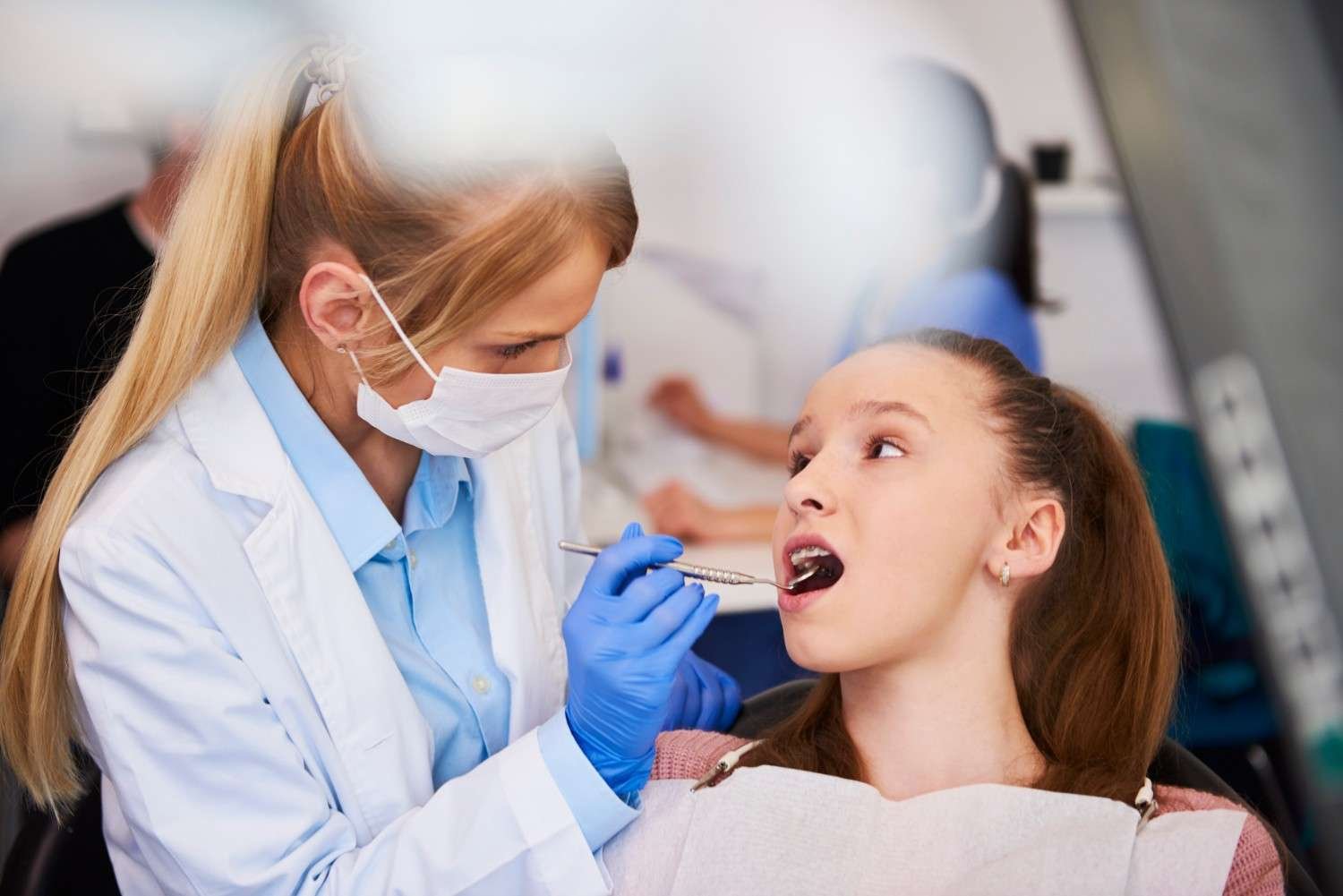
Before treatment begins, an orthodontic assessment is important.
The dentist or orthodontist may examine:
- Tooth alignment
- Bite relationship
- Jaw position
- Facial symmetry
- Tooth and gum health
- Dental development
- Existing restorations
- Oral hygiene
Dental photographs, X-rays, scans, or other diagnostic records may also be recommended when necessary.
These records help the dental professional understand the patient’s bite and create an appropriate treatment plan.
Orthodontic Treatment for Overbite
Treatment for an overbite depends on its cause and severity.
Braces are commonly used to gradually reposition teeth. In selected cases, other orthodontic appliances may be recommended.
When appropriate, treatment may also concentrate on directing the growth of the jaw and teeth in growing adolescents and teenagers.
Adults can also receive orthodontic treatment. However, the treatment plan may differ because jaw growth has already been completed.
The goal is to achieve a healthier and more functional bite while improving tooth alignment.
Orthodontic Treatment for Underbite
Underbite treatment can be more complex when jaw development is a major contributing factor.
In mild cases, orthodontic appliances may help move the teeth into a better position.
For growing children, early evaluation can be particularly helpful. An orthodontist can assess jaw development and determine whether early treatment may be beneficial.
In adults with a severe skeletal underbite, orthodontics alone may not always provide the desired correction. In some cases, a combination of orthodontic treatment and jaw surgery may be considered.
The Best Orthodontist in Mayur Vihar can explain the available options after evaluating the patient’s individual condition.
Orthodontic Treatment for Crossbite
Crossbite treatment depends on the teeth involved and the patient’s stage of dental development.
Braces or other orthodontic appliances may be used to correct tooth positioning.
In growing children, certain appliances can sometimes help widen the upper dental arch or guide developing teeth.
Early treatment may help prevent a developing bite problem from becoming more complicated.
Adults can also receive treatment, although the approach depends on whether the crossbite is primarily dental or related to jaw structure.
Braces and Other Orthodontic Options
Traditional braces remain a common orthodontic treatment option.
They use brackets and wires to apply controlled forces to the teeth. Adjustments are made periodically to gradually move the teeth.
Depending on the patient’s needs, other options may include clear aligners or specialized orthodontic appliances.
Not every option is appropriate for every bite problem.
For example, complex tooth movements may require fixed braces or additional orthodontic appliances.
Before choosing a treatment approach, a professional assessment is required.
Why Early Orthodontic Evaluation Matters
Children should have their dental development monitored as they grow.
Some orthodontic problems become easier to manage when identified early.
Treatment may not always have to start right away after an early evaluation. Sometimes the orthodontist may recommend monitoring the child’s growth and dental development before starting treatment.
This approach can help determine the most suitable timing for orthodontic care.
Parents who notice an unusual bite, crowded teeth, difficulty chewing, or teeth that do not meet properlyshould consider an orthodontic evaluation.
Orthodontic Treatment forAdults
Orthodontic treatment is not limited to children and teenagers.
Adults can also benefit from treatment for bite problems and misaligned teeth.
Modern orthodontic options can provide more discreet choices for some patients. Clear aligners may be suitable for selected cases, while traditional braces may be recommended for more complex movements.
Before starting treatment, adults should have their teeth and gums evaluated.
Existing cavities, gum disease, or other dental problems may need to be managed first.
Benefits of Correcting Bite Problems
Appropriate orthodontic treatment can provide several benefits.
These may include:
- Improved tooth alignment
- Better chewing function
- Easier cleaning between teeth
- More balanced bite forces
- Reduced risk of certain types of tooth wear
- Improved smile appearance
- Better long-term oral hygiene
The results depend on the patient’s condition and treatment compliance.
Orthodontic treatment should focus on both appearance and function rather than cosmetic changes alone.
Maintaining Results After Orthodontic Treatment
Finishing braces or aligner treatment does not mean that orthodontic care is completely over.
Teeth can naturally shift after treatment.
Retainers are commonly used to help maintain the new tooth positions.
Your orthodontist will explain how often the retainer should be worn and for how long.
Following these instructions is important for maintaining treatment results.
Regular dental check-ups should also continue after orthodontic treatment.
Choosing the Best Orthodontist in Mayur Vihar
Choosing an orthodontic provider is an important decision.
Patients should consider professional qualifications, experience, diagnostic methods, treatment options, hygiene standards, and communication.
A good consultation should give patients a clear understanding of their bite problem and the available treatment options.
When searching for the Best Orthodontist in Mayur Vihar, it is also useful to choose a dental clinic that can provide appropriate evaluation and ongoing follow-up throughout treatment.
Ambey Dental Clinic provides dental care for patients with different oral health needs. Patients can discuss alignment and bite concerns with the dental team and understand whether orthodontic treatment may be suitable.
Conclusion
Overbite, underbite, and crossbite are common bite problems that can affect tooth function and alignment. In many cases, orthodontic treatment can improve these conditions by gradually moving teeth and, when appropriate, guiding dental development.
The exact treatment depends on the patient’s age, dental condition, jaw relationship, and severity of the bite problem. Braces, clear aligners, and other orthodontic appliances may be considered based on individual requirements.
If you are looking for the Best Orthodontist in Mayur Vihar, a professional orthodontic evaluation is the right starting point. At Ambey Dental Clinic, patients can discuss their concerns and learn about suitable treatment options.
With timely evaluation, personalized planning, and proper follow-up, orthodontic treatment can help create a more balanced bite and support better oral health for years to come.
Visit https://ambeydentalclinic.com/ to learn more about their services or to book an appointment. Don’t wait—take the first step toward better oral health today!
